投稿者: JapaneseNuance

  • The Nuance of “Oshibori”: More Than Just a Wet Towel

    The Nuance of “Oshibori”: More Than Just a Wet Towel

    Introduction

    When you sit down at a restaurant in Japan, one of the first things you’ll receive isn’t the menu—it’s a rolled, damp towel called an Oshibori.

    While it might look like a simple tool to clean your hands, the Oshibori is actually a masterpiece of Japanese hospitality (Omotenashi) in miniature. It reflects a deep-rooted culture of cleanliness and consideration that begins the moment you enter a shop.


    A Seasonal Welcome

    The Oshibori is designed to make your transition from the outside world to the dining table as comfortable as possible. Depending on the season, the staff will adjust its temperature to suit your needs:

    • In Winter: You will be handed a steaming hot towel to melt away the chill from your fingers.
    • In Summer: You will receive a chilled, refreshing towel to provide instant relief from Japan’s sweltering humidity.

    This small but thoughtful touch is the essence of Omotenashi—anticipating a guest’s needs before they even ask.


    The Social “Don’t”: Avoid the Face Wipe

    On a scorching summer day, the cold sensation of an Oshibori feels heavenly. You might be tempted to press it against your face or neck to cool down. However, be careful with this move.

    In Japanese social etiquette, using an Oshibori to wipe your face is often seen as a bit tacky. In fact, men who do this are frequently labeled as “Ikete-nai Ojisan” (an uncool or “out-of-touch” middle-aged man). To maintain a polished and respectful image, it is best to stick to wiping only your hands.


    The “Smart” Way to Finish (Pro Tip)

    If you want to go beyond being a “good guest” and become a “truly considerate” one, here is a small gesture that restaurant staff deeply appreciate.

    Before you leave the table, you can use your Oshibori to lightly wipe any small spills or crumbs from your spot.

    Important Note: This is absolutely not a rule or a formal requirement. No one will think poorly of you if you don’t do it. Think of it more as a “bonus” gesture of gratitude toward the staff. Simply being aware of this possibility shows a high level of cultural fluency.


    Conclusion

    The Oshibori is your first handshake with Japanese culture at the dinner table. It’s about more than just hygiene; it’s about a shared respect between the host and the guest. Now that you know how to handle the “air” and the towel, you are well on your way to dining like a local.

    Are you ready to experience this level of hospitality for yourself, or are there other specific types of shops you’re still curious about?


    Experience Authentic Omotenashi

    To see the true art of the Oshibori and Omotenashi in action, we recommend booking an experience where the service is as much a part of the meal as the food itself. Through ByFood, you can find traditional dining experiences that showcase the very best of Japanese hospitality.

    Related Reading for Your Trip

    *Note: This post contains affiliate links. If you make a purchase through them, I may earn a small commission at no extra cost to you. This helps me maintain the site and continue providing “inside perspective” on Japanese culture. Thank you for your support!*
  • Beyond “Omakase”: Why “Reading the Air” is the Real Key to Dining in Japan

    Beyond “Omakase”: Why “Reading the Air” is the Real Key to Dining in Japan

    Introduction

    When you step into a Japanese restaurant—especially an intimate sushi bar or a high-end ryotei—you are stepping into more than just a place to eat. You are entering a shared ecosystem.

    You may have heard the phrase “Kuuki wo yomu” (空気を読む). It literally translates to “reading the air.” While it sounds like a psychic ability, it is actually a vital social skill in Japan. It means observing the unspoken cues of a situation to ensure your words and actions enhance the harmony of the space rather than disrupting it.


    The Art of Invisible Etiquette

    In the West, hospitality is often seen as a one-way street: the server provides, and the guest receives. In Japan, the best dining experiences are a collaborative performance.

    Reading the air isn’t about being shy or hesitant; it is about active consideration. By being mindful of the staff and other customers, you naturally blend in and become part of the environment. Here is how you can practice it to ensure a truly comfortable experience—for you, the chef, and your fellow diners.


    Practical Examples: Reading the “Dining Air”

    The difference between a “tourist” and a “welcome guest” often comes down to these three subtle habits:

    1. Respect the Chef’s Focus

    A chef’s intensity is their gift to you. If you notice a chef is deeply focused on the delicate slicing of fish or the timing of a flame, hold your questions. Wait for that brief moment of eye contact or a pause in their movement. That is the “air” telling you it’s time to engage.

    2. The “Full Hands” Rule

    Watch your server’s hands. If they are balancing multiple plates or clearing a nearby table, wait those extra moments before asking for the check or a refill. This small act of mindfulness signals that you recognize their hard work, and in return, you will often find your service becomes even more attentive.

    3. Acoustic Harmony

    The volume of your voice is a physical part of the room’s décor. Match the “decibel level” of the restaurant. If the room is a temple of quiet conversation, avoid speaking in a loud voice that disrupts the peace. By blending your volume with the surroundings, you stop being a “visitor” and start being part of the atmosphere.


    Why “Reading the Air” Benefits You

    Why bother? Because in Japan, the more you respect the “air,” the more the “air” respects you.

    When the staff senses that you are mindful of the environment, the invisible wall between “foreigner” and “local” vanishes. You are no longer just a customer; you are a respected participant in the meal. In Japan, reading the air isn’t about restricting yourself; it’s about creating a harmonious space where you—and everyone else—can feel truly comfortable.


    Experience the “Air” for Yourself

    Ready to put your knowledge into practice? To truly understand the nuance of “reading the air,” you need to step into the right environment. Through ByFood, you can book curated dining experiences—from private sushi counters to traditional tea ceremonies—where you can witness the mastery of Japanese hospitality firsthand.


    Related Reading for Your Trip

    *Note: This post contains affiliate links. If you make a purchase through them, I may earn a small commission at no extra cost to you. This helps me maintain the site and continue providing “inside perspective” on Japanese culture. Thank you for your support!*

  • “Ichigo Ichie” on the Shinkansen: Why Seat E is the Golden Ticket to Mount Fuji

    “Ichigo Ichie” on the Shinkansen: Why Seat E is the Golden Ticket to Mount Fuji

    Introduction

    In Japan, there is a beautiful phrase called “Ichigo Ichie” (一期一会). It translates to “once in a lifetime,” or the idea that every encounter and every moment is unique and will never happen in exactly the same way again.

    While the Shinkansen (Bullet Train) is a masterpiece of modern engineering and punctuality, it is also a place to experience this spirit. When you are zooming at 300km/h, the landscape changes every second. If you don’t look now, you might miss a view that will never look quite the same again.


    The Secret of Seat E

    If you are traveling by Shinkansen from Tokyo to Osaka (or vice versa), I have a specific recommendation to help you capture your own “Ichigo Ichie” moment: Try to book Seat E.

    On the Tokaido Shinkansen, Seat E is the window seat on the three-row side of the train. In the world of Japanese travel, this is often called the “Golden Seat.” Why? Because it offers the most stunning, unobstructed view of Mount Fuji.

    Why Seat E is the “Golden Seat”

    • The Perfect View: While Mount Fuji is massive, the window of time to see it clearly from the train is brief. From Seat E, the mountain appears right outside your window.
    • Relax and Enjoy: If you are sitting on the opposite side (Seats A, B, or C), you might have to stand up or lean over other passengers to catch a glimpse. With Seat E, you can sit back, enjoy your Ekiben (train bento), and wait for the mountain to appear.
    EPSON scanner image

    Timing Your Moment

    To make sure you don’t miss it, you need to know when to look.

    • From Tokyo toward Osaka: Mount Fuji will appear on your right-hand side about 40 to 50 minutes after leaving Tokyo Station.
    • From Osaka toward Tokyo: It will appear on your left-hand side roughly 2 hours after departing Shin-Osaka.

    In both directions, Seat E is the place to be!


    A Lesson in Awareness

    “Reading the air” (as we discussed in our dining guide) also applies to the Shinkansen. You will notice that Japanese passengers often keep a respectful quiet, allowing everyone to enjoy the rhythm of the journey.

    By booking Seat E and looking out the window, you aren’t just traveling from point A to point B. You are practicing “Ichigo Ichie”—appreciating a fleeting moment of beauty that exists only for that second. Whether the mountain is capped in snow or hidden behind a misty cloud, that specific view is yours alone for that journey.


    Ready to Book Your Golden Seat?

    The Shinkansen is the most iconic way to travel through Japan, but tickets can sell out—especially for those coveted window seats during peak hours.

    To ensure you get Seat E and can experience the “Ichigo Ichie” of Mount Fuji, we recommend booking your tickets or your JR Pass in advance through KLOOK. It’s the easiest way to secure your journey and focus on the scenery.


    Related Reading for Your Trip

    *Note: This post contains affiliate links. If you make a purchase through them, I may earn a small commission at no extra cost to you. This helps me maintain the site and continue providing “inside perspective” on Japanese culture. Thank you for your support!*
  • Beyond the Menu: 5 Authentic Food Experiences in Tokyo, Osaka and Kyoto You Should Book Now

    Beyond the Menu: 5 Authentic Food Experiences in Tokyo, Osaka and Kyoto You Should Book Now

    Introduction

    Now that you’ve mastered the nuances of how to order and paying the bill, it’s time for the best part: choosing where to eat.

    In a city like Tokyo, with over 100,000 restaurants, it’s easy to get overwhelmed. From my experience working with international students and professionals, the most memorable meals aren’t just about the food—they are about the experience. Here are 5 authentic food journeys you should reserve in advance to guarantee an unforgettable trip.


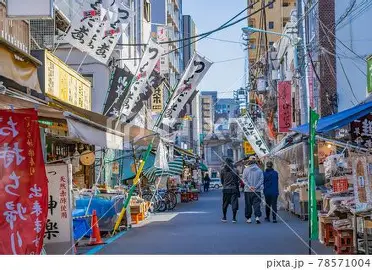
    1. The Tsukiji Fish Market “Insider” Tour

    Even though the wholesale market moved to Toyosu, the “Outer Market” of Tsukiji remains the soul of Tokyo’s seafood culture.

    • The Experience: Walking through narrow alleys, tasting fresh sea urchin (Uni), and learning the history from a local guide.
    • Why Book: To navigate the crowds and find the stalls that locals actually trust.
    • [Check Availability & Prices on ByFood]

    2. Traditional Izakaya Hopping in Shinjuku

    Shinjuku’s “Omoide Yokocho” (Memory Lane) is iconic, but it can be intimidating to enter a tiny stall with only five seats.

    • The Experience: A guided tour through hidden bars where you can enjoy Yakitori and local sake without the language barrier.
    • Why Book: These spots are tiny and fill up instantly. A reservation ensures you have a seat at the heart of the action.
    • [Browse Shinjuku Food Tours]

    3. Ramen Making Workshop

    Why just eat ramen when you can learn the science behind the broth?

    • The Experience: Making your own noodles and blending your own Motodare (soup base).
    • Insider Tip: This is incredibly popular with families and those interested in the “craft” of Japanese cooking.
    • [Reserve Your Ramen Experience]

    4. Sake Tasting with a Sommelier

    Japanese Sake (Nihonshu) has a depth similar to wine.

    • The Experience: Learning the difference between Junmai and Ginjo while pairing them with seasonal Japanese appetizers (Otsumami).
    • [Discover Sake Tasting Tours]

    5. Depachika (Department Store Basement) Exploration

    Japanese department stores house underground food cathedrals known as Depachika.


    How to Book These Experiences

    I highly recommend using ByFood. It is a platform specifically designed to connect travelers with authentic Japanese food experiences. They handle the communication with local hosts, so you don’t have to worry about the language barrier.


    Conclusion

    Your trip to Japan is a limited resource. Don’t spend it searching for a place to sit—spend it experiencing the deep, rich flavors that Tokyo has to offer. By booking one of these guided experiences, you’ll see a side of Japan that most tourists walk right past.


    Planning Your Food Journey?

    *Note: This post contains affiliate links. If you make a purchase through them, I may earn a small commission at no extra cost to you. This helps me maintain the site and continue providing “inside perspective” on Japanese culture. Thank you for your support!*
  • Konbini Etiquette: The 3 Standard Questions at a Japanese Convenience Store Register

    Konbini Etiquette: The 3 Standard Questions at a Japanese Convenience Store Register

    Introduction

    Whether you’re grabbing a quick breakfast, a late-night snack, or a high-quality bento box, the Japanese Konbini (convenience store) will be your best friend during your travels.

    However, even a simple transaction can feel like a test. As soon as you place your items on the counter, the clerk will often fire off a sequence of questions in rapid Japanese. To help you navigate the register like a local, here are the three questions you will almost always be asked.


    The Standard Register Flow

    1. “Fukuro irimasu ka?” (Do you need a bag?)

    Since 2020, plastic shopping bags in Japan are no longer free.

    • The Cost: Usually around 3 to 5 yen.
    • How to answer: * If you need one: “Hai, onegaishimasu” (Yes, please).
      • If you don’t: “Daijoubu desu” (I’m okay) or show your own eco-bag.

    2. “Atatame-masu ka?” (Would you like this heated up?)

    If you buy a bento box, onigiri, or certain breads, the clerk will offer to microwave it for you behind the counter.

    • The Nuance: This service is free and very fast.
    • How to answer: “Hai, onegaishimasu” if you plan to eat it immediately. They will hand it back to you perfectly warm.

    3. “O-shiharai houhou wa?” (How would you like to pay?)

    While Japan was once a “cash-only” society, konbinis now accept almost everything: credit cards, Apple Pay, Google Pay, and QR codes (like PayPay).

    • Pro Tip: You don’t have to wait for them to ask! You can simply say “Credit card, please” while they are still scanning your items.
    • The 7-Eleven Exception: At 7-Eleven, you usually select your payment method yourself on a touch panel screen rather than telling the clerk. Just tap the icon for “Credit Card” or “Electronic Money.”

    Regional Fun Fact: The “Nikuman” (Meat Bun) Difference

    Here is a small but fascinating regional quirk that even many travelers miss.

    If you order a Nikuman (steamed meat bun) from the glass case next to the register:

    • In the Kansai Region (Osaka, Kyoto, Kobe): The clerk will ask if you want Mustard (Karashi). People in Kansai have a unique cultural habit of eating meat buns with spicy mustard.
    • In the Kanto Region (Tokyo, Yokohama): They won’t ask at all, as eating meat buns with mustard is not the standard there.

    If you’re traveling between Tokyo and Osaka, pay attention to this small interaction—it’s a window into Japan’s deep regional food cultures!


    Key Phrases for a Smooth Konbini Run

    • “Fukuro onegaishimasu” (A bag, please)
    • “Atatamete kudasai” (Please heat this up)
    • “Hashi/Spoon wa irimasen” (I don’t need chopsticks/a spoon — great if you already have them at your hotel)

    Conclusion

    The Konbini is a masterpiece of Japanese efficiency. While the questions might feel overwhelming at first, they are all designed to make your experience more convenient. Next time you’re at the register, listen for the “Nikuman” question—it might just tell you exactly where you are in Japan!


    Related Reading for Your Trip

    *Note: This post contains affiliate links. If you make a purchase through them, I may earn a small commission at no extra cost to you. This helps me maintain the site and continue providing “inside perspective” on Japanese culture. Thank you for your support!*
  • What is Otoshi? Understanding Japan’s Mandatory Table Charge and Appetizer

    What is Otoshi? Understanding Japan’s Mandatory Table Charge and Appetizer

    Introduction

    You’ve just sat down at a lively Japanese Izakaya (pub). You order your first round of drinks, and almost immediately, the server places a tiny dish of food in front of you—something you didn’t order. Later, you notice a small charge on your bill for this dish.

    Is it a mistake? Is it a scam?

    Rest assured, it is neither. This is Otoshi, a unique and sometimes confusing part of Japanese dining culture. As a Japanese native, I’ll admit that even we don’t always know the exact history behind it, but we all accept it as a standard part of the experience. Here is everything you need to know.


    What Exactly is Otoshi?

    Otoshi is a small appetizer served right after you order your drinks. It can be anything from seasoned vegetables and potato salad to a small piece of fish or simmered meat.

    The most important thing to understand is that you will be charged an “Otoshi-dai” (appetizer fee or cover charge) for it, usually ranging from ¥300 to ¥600 per person.


    Key Points to Keep in Mind

    1. It’s Essentially a “Seating Fee”

    Think of the Otoshi as a service provided in exchange for a seating fee. Most Izakayas operate on thin margins for food, so this charge helps cover the cost of the table, the seat, and the hospitality (Omotenashi). Instead of just charging a “cover fee,” Japanese restaurants prefer to give you a small dish to enjoy as a gesture of welcome.

    2. Variations by Restaurant

    The rules can vary. Interestingly, some places only serve Otoshi to guests who order alcohol first. However, in most traditional Izakayas, it is served to every adult at the table automatically.

    3. A Cultural Norm (Even for Locals)

    To be honest, if you asked a Japanese person to explain the historical background or the exact logic of Otoshi, most of us wouldn’t have a clear answer! We simply accept it as an unspoken rule of the dining culture. It’s just “how it works” at an Izakaya.


    How to Handle Otoshi Like a Local

    While it might seem strange to pay for something you didn’t specifically ask for, the best approach is to view it as part of the Izakaya “starter kit.” * Don’t try to send it back: In most cases, the Otoshi is mandatory. Attempting to refuse it can be awkward and may not actually remove the charge from your bill.

    • Embrace the surprise: Since the dish changes daily, it’s a great way to try a local seasonal ingredient you might not have ordered otherwise.

    Conclusion

    Otoshi is an essential thread in the fabric of Japanese nightlife. By embracing it as a local tradition rather than a hidden cost, you can relax and enjoy the unique atmosphere of a Japanese pub. Just think of it as your “entry ticket” to a night of great food and drinks!


    Related Reading for Your Trip

    *Note: This post contains affiliate links. If you make a purchase through them, I may earn a small commission at no extra cost to you. This helps me maintain the site and continue providing “inside perspective” on Japanese culture. Thank you for your support!*
  • Do You Need Reservations for Restaurants in Japan? (A Practical Guide to Saving Your Travel Time)

    Do You Need Reservations for Restaurants in Japan? (A Practical Guide to Saving Your Travel Time)

    Introduction

    One of the most common questions travelers ask is: “Can I just walk into a restaurant in Japan, or do I need to book ahead?”

    While Japan has an incredible number of dining options, from tiny ramen shops to high-end sushi bars, the answer is simple: Making a reservation is basically essential if you want to fully enjoy your trip without stress. As someone living in Japan, I see many visitors wasting their precious travel time standing in long queues. Here is my “insider perspective” on why you should hit the “book” button before you leave your hotel.


    The Reality: Why Reservations Matter

    While it’s not impossible to get a table without a reservation, you often end up waiting for 30, 60, or even 90 minutes at popular spots. In a country where there is so much to see and do, spending an hour on a sidewalk is a waste of your time.

    1. Dinner: Always Make a Reservation

    In the evenings, popular restaurants—especially those in tourist hubs like Tokyo, Kyoto, or Osaka—fill up incredibly fast. Whether it’s a cozy Izakaya or a famous Yakiniku spot, dinner is a “must-book” situation.

    2. Lunch: Highly Recommended

    Lunch is slightly more flexible, but I still recommend booking if possible. The “lunch rush” (usually between 12:00 PM and 1:30 PM) can be intense, especially near business districts or major sightseeing landmarks.

    3. My Personal Rule

    Whenever I make plans to eat out with friends or colleagues, I make it a point to book a table regardless of whether it’s lunch or dinner. In Japanese culture, ensuring a smooth experience for your guests is a sign of respect, and it guarantees that our conversation isn’t interrupted by the stress of finding a seat.


    The Best Way to Book: Go Online

    In the past, you had to call a restaurant (often in Japanese) to secure a table. Today, things are much easier for travelers.

    • Web Reservations: Most modern restaurants now offer web booking systems. This is the easiest way to go as it avoids the “language barrier” of a phone call.
    • Third-Party Services: Using specialized booking platforms is highly recommended for popular or high-end venues. These services often provide English interfaces and handle the communication for you.

    Tips for a Smooth Experience

    • Be Punctual: Japanese restaurants take reservation times very seriously. If you are more than 15 minutes late, your table might be given away.
    • Check the Cancellation Policy: Many places require a 24-hour notice for cancellations, especially for course menus.
    • Book Early: For bucket-list restaurants (like famous Sushi or Kaiseki spots), try to book at least 2–4 weeks in advance.

    Conclusion

    Don’t let a long wait ruin your appetite. By spending just a few minutes booking online, you can ensure that your dining experience in Japan is about the food and the memories, not the queue.


    Related Reading for Your Trip

    *Note: This post contains affiliate links. If you make a purchase through them, I may earn a small commission at no extra cost to you. This helps me maintain the site and continue providing “inside perspective” on Japanese culture. Thank you for your support!*
  • Okaikei: How to Pay Like a Local in Japan (Without the Confusion)

    Okaikei: How to Pay Like a Local in Japan (Without the Confusion)

    Introduction

    You’ve finished a wonderful meal in Japan. The plates are cleared, you’re satisfied, and now comes the final step: paying the bill. But wait—do you stay seated? Do you walk to the front? Where is the waiter?

    In Japan, the process of paying is called Okaikei. While it is incredibly smooth once you know the rules, it can be a bit of a guessing game for travelers. In this guide, I’ll share a “insider secret” that even Japanese people use to navigate the payment process without stress.


    Step 1: How to Signal for the Bill

    In many Western restaurants, servers might bring the check to encourage “table turnover.” In Japan, hospitality (Omotenashi) means they usually won’t disturb you until you signal them.

    When you are ready, catch a server’s eye and say:

    “O-kaikei, onegaishimasu.” (The check, please.)


    Step 2: The Two Payment Methods

    Once you ask for the bill, the process usually flows into one of two patterns:

    1. The Table Method

    The server brings the bill to your table. You check the total, and then hand them your cash or card right then and there. They will take it to the register, process it, and bring back your change or receipt on a small tray.

    2. The Register Method

    If the restaurant requires you to pay at the counter, one of two things will happen:

    • The server will politely say, “Please pay at the register.”
    • Or, they will simply leave the bill on your table and walk away. This is your cue to take that slip of paper to the cashier near the entrance.

    Step 3: The “Trial and Error” Strategy

    The biggest question travelers have is: “How do I know which method to use?”

    The truth is, it can be confusing even for locals! That is why I recommend the Trial and Error approach. It is perfectly fine to try paying at the table first.

    A Simple Rule of Thumb:

    1. Ask for the check.
    2. If the server stays by your side after handing you the bill, pay them immediately.
    3. If the server walks away, try calling them over one more time to pay.
      • If they can process it there, they will.
      • If you need to go to the register, they will politely let you know.

    Why this works: Servers are completely used to this interaction. They won’t find it rude or strange at all—it’s a standard part of Japanese dining culture.


    Cultural Nuances to Remember

    The Cash Tray Protocol

    Whether at the table or the register, you will usually see a small tray. Always place your money or card on this tray. It is considered more polite than handing it directly to the person.

    No Tipping, Just “Gochisousama”

    Tipping is not required or expected in Japan. Instead, as you leave the restaurant, say:

    “Gochisousama-deshita!” (Thank you for the meal!)
    It is the best way to show your appreciation for the food and service.


    Conclusion

    Paying the bill in Japan doesn’t have to be a source of anxiety. Remember that even Japanese people use “trial and error” to figure out the system at a new restaurant. Just say “Okaikei onegaishimasu,” follow the server’s lead, and you’ll be paying like a local in no time.


    Related Reading for Travelers in Japan

    *Note: This post contains affiliate links. If you make a purchase through them, I may earn a small commission at no extra cost to you. This helps me maintain the site and continue providing “inside perspective” on Japanese culture. Thank you for your support!*
  • How to Order Food in Japan (Without Confusion)

    How to Order Food in Japan (Without Confusion)

    Introduction

    Ordering food in Japan can feel confusing at first.

    There is no single standard method, and the way you order can vary depending on the restaurant.

    From my experience as a native speaker, understanding a few basic patterns will make the process much easier and more comfortable.


    The 4 Main Ways to Order in Japan

    There are four main ways to order food in Japan:

    1. Calling a staff member and ordering directly

    You call a staff member and place your order in person.


    2. Pressing a call button

    Many tables have a button that calls staff to your table.


    3. Ordering via QR code

    You scan a QR code and order from your smartphone.


    4. Ordering using a tablet

    Some restaurants provide tablets at the table for ordering.


    Which Method Is Most Common?

    In general:

    👉 Chain restaurants

    • Methods 2–4 are more common
    • QR code ordering (method 3) is increasing

    👉 Smaller or independent restaurants

    • Method 1 is more common

    From my perspective, the increase in digital ordering is also related to cost efficiency.


    How to Call Staff (Important Cultural Point)

    This is one of the most important differences from other countries.

    In Japan:

    👉 Saying “sumimasen” to call staff is not rude at all

    In fact, it is the standard way to get attention.


    How to Do It Naturally

    • Say “sumimasen” clearly
    • Raise your hand slightly if needed

    In quieter restaurants:

    • Be more subtle

    In casual places like izakaya:

    • Calling out is very common

    Why You Sometimes Need to Call Staff

    In many restaurants:

    • Staff may come for the first order
    • But not always for additional orders

    👉 So you may need to call them again

    If no staff are nearby:

    👉 It is acceptable to walk around and find someone


    Why This System Exists

    This system may feel unfamiliar, but there is a reason behind it.

    👉 It helps reduce labor costs

    As a result:

    • Restaurants can operate more efficiently
    • Customers can enjoy good food at lower prices

    Tips for Travelers

    If you’re visiting Japan:

    • Don’t hesitate to say “sumimasen”
    • Observe how locals behave
    • Try it yourself

    👉 It may feel unfamiliar at first, but it is part of the authentic experience.


    Connection to Other Japanese Expressions

    This system also connects to other expressions you may have learned:

    • “Sumimasen” → used to call staff
    • “Osusume” → ask for recommendations
    • “Omakase” → leave the choice to the chef

    👉 Understanding these together makes ordering much easier.


    Common Misunderstanding

    Many travelers think:

    👉 “Calling out is rude”

    But in Japan:

    👉 It is completely normal and expected


    How to Explain It in English

    A helpful explanation would be:

    • “In Japan, it is normal to call staff by saying ‘sumimasen’”
    • “Ordering methods vary depending on the restaurant”

    Conclusion

    Ordering food in Japan may seem complicated, but it becomes simple once you understand the system.

    From my experience:

    • There are four main ordering methods
    • Calling staff is completely normal
    • The system is designed for efficiency and convenience

    By understanding these points, you can enjoy dining in Japan more confidently and naturally.

  • Omakase vs Osusume: What’s the Difference in Japanese Restaurants?

    Omakase vs Osusume: What’s the Difference in Japanese Restaurants?

    Introduction

    If you visit a restaurant in Japan, you may come across two terms:

    👉 omakase
    👉 osusume

    Both are related to choosing food, but they work in very different ways.

    From my experience as a native speaker, understanding the difference can significantly improve your dining experience in Japan.


    The Core Difference

    From a Japanese perspective, the main difference is:

    👉 the number of dishes

    • Osusume → a single recommended item
    • Omakase → a selection of multiple dishes

    In particular, omakase is designed as:

    👉 A set of dishes and portions that will satisfy the customer as a whole.


    What “Osusume” Really Means

    Osusume is:

    • A recommendation from the staff
    • Usually one specific dish
    • Something considered best at that moment

    👉 You still choose what to order.

    For example:

    • Asking what’s good today
    • Getting suggestions based on your preferences

    What “Omakase” Really Means

    Omakase means:

    👉 Leaving everything to the chef

    • Multiple dishes are selected for you
    • The meal is curated as a full experience
    • You do not choose individual items

    👉 It requires a higher level of trust.


    A Practical Difference: Relationship with the Chef

    From my perspective, this is an important but often overlooked point.

    Omakase is typically used:

    👉 At restaurants where you are a regular

    Why?

    Because the chef needs to:

    • Understand your preferences
    • Estimate your budget
    • Create a balanced meal for you

    👉 This becomes easier after multiple visits.


    Why “Omakase” Can Be Difficult for First-Time Visitors

    For first-time customers:

    • The chef does not know your tastes
    • Your budget is unclear
    • Expectations are harder to match

    👉 As a result, some chefs may feel uncomfortable preparing omakase.


    A Safe Strategy for Travelers

    If you are visiting Japan, a practical approach is:

    👉 Ask for 2–3 osusume items
    👉 Choose the rest yourself

    This allows you to:

    • Try what the restaurant does best
    • Keep control over your order
    • Avoid putting too much pressure on the chef

    👉 It is a balanced and comfortable way to order.


    When to Use Each

    Use “Osusume” when:

    • You are visiting for the first time
    • You are unsure what to order
    • You want flexibility

    Use “Omakase” when:

    • You trust the chef
    • You are a repeat customer
    • You want a full dining experience

    A Cultural Perspective

    The difference between omakase and osusume reflects:

    👉 The balance between control and trust

    • Osusume → guided choice
    • Omakase → full trust

    Understanding this helps you navigate Japanese dining culture more naturally.


    Common Misunderstanding

    Many people think:

    👉 “Omakase is just a more expensive option”

    But in reality:

    👉 It is a different style of dining experience


    Related Japanese Concepts

    👉 What “Omakase” Means
    👉 What “Osusume” Means
    👉 Why Seasons Matter in Japan
    👉 What “Enryo” Really Means


    How to Explain It in English

    A helpful explanation would be:

    • “Osusume is a recommendation for one item, while omakase is a full course chosen by the chef”
    • “Omakase requires trust, while osusume keeps the choice in your hands”

    Conclusion

    Omakase and osusume may seem similar, but they represent different approaches to ordering food.

    From my experience:

    • Osusume helps you discover good options
    • Omakase offers a complete, curated experience
    • Choosing between them depends on your situation and relationship with the restaurant

    Understanding this difference will help you enjoy Japanese dining more comfortably and confidently.