カテゴリー: 未分類

  • The Art of the Queue: Why Japanese People Wait in Line (and How to Skip It)

    Walk around Tokyo for an hour, and you will inevitably see it: a “Gyoretsu” (行列). Whether it’s for a 1,000-yen bowl of ramen or a limited-edition sneaker, Japanese people are world-famous for their patience in lines.

    But as a professional who values efficiency—having managed production lead times in manufacturing—I often ask: Is the wait actually worth your time? ## The “Training” Ground: Why Many Japanese Don’t Mind Waiting
    From a young age, many Japanese people are conditioned to accept waiting as part of the experience. The prime example is Tokyo Disneyland and DisneySea. Here, waiting for 90 to 120 minutes is the standard, not the exception. This “training” creates a cultural baseline where waiting in line is seen as a fair price to pay for a high-quality reward.

    The Regional Divide: Tokyo Patience vs. Osaka Speed

    However, the “patient Japanese” stereotype isn’t universal. There is a fascinating regional nuance:

    • Tokyo: Generally more accustomed to the “Gyoretsu” culture. People see a line as a sign of quality (Social Proof).
    • Osaka: Known for being “Sekkachi” (impatient). People in Osaka value speed and efficiency. If a line is too long, many will simply find another great place to eat nearby.

    Understanding this divide helps you realize that even in Japan, time is valued differently depending on who you ask.

    The Business of Time: Why I Choose to Book

    In the manufacturing world, a “bottleneck” is a waste of resources. I view my travel time the same way. Unless the act of waiting is the primary goal of your trip, standing in line for two hours is a high opportunity cost.

    If your goal is to experience the best of Japan without the “bottleneck,” the smartest “Dandori” (preparation) is to book ahead.

    Editor’s Note: For top-tier attractions like Shibuya Sky, TeamLab, or Universal Studios Japan (the heart of Osaka’s hustle!), buying a “Skip-the-Line” or “Timed-Entry” ticket is the single best investment you can make.

    [Priority Entry Tickets & Attraction Passes]
    Don’t spend your vacation staring at the back of someone’s head. Buy your tickets in advance to guarantee entry and skip the hours of waiting.

    When is it Worth Waiting?

    My advice is simple: Identify your “Travel Objective.”

    • If the line is the destination: If eating at a specific, legendary ramen shop is the #1 thing on your bucket list, then embrace the wait. It’s part of the story.
    • If the experience is the destination: If you want to see the view or ride the attraction, but the waiting itself adds no value, then use technology to bypass it.

    The “Secret” Reservation Window

    Many “hidden gem” restaurants in Japan that seem to have impossible lines actually have reserved seating available through specialized English platforms.

    [Private Table Reservations & Gourmet Experiences]
    Why wait outside in the rain when you can walk straight to your reserved table? Use a professional booking service to secure spots at high-demand eateries.


    Conclusion: Respect the Line, But Value Your Time

    The Japanese queue is a beautiful display of discipline and fairness. It’s a nuance of our culture that reflects our respect for order. However, as a traveler, your days in Japan are limited. By strategically using reservations, you can respect the culture while ensuring every minute of your trip is spent experiencing Japan, not just waiting for it.

    [USJ Express Passes & Tokyo Disney Resort Tickets]
    Master the queues of Osaka and Tokyo. Book your Express Passes today and transform your wait time into play time!
  • The Suica Strategy: How to Ride Any Train or Bus in Japan with Your Phone

    The Suica Strategy: How to Ride Any Train or Bus in Japan with Your Phone

    In the Japanese manufacturing world, we have a word: Dandori (段取り). It means “the art of preparation.” We believe that 80% of a job is finished before it even begins, simply by having the right tools in place.

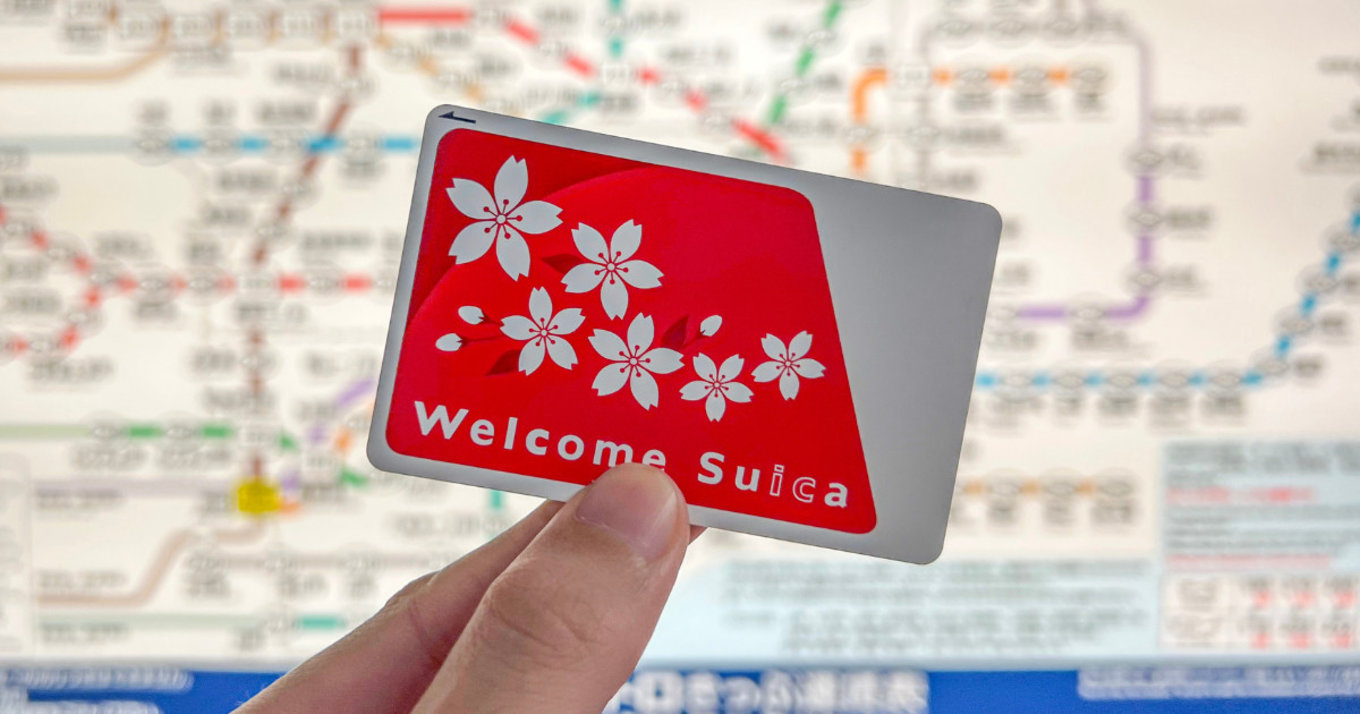
    For a traveler in Japan, the ultimate “Dandori” tool is the Suica. Forget about fumbling with coins or deciphering complex fare maps at ticket machines. With the new Welcome Suica Mobile, you can turn your iPhone into a universal key for Japan’s vast transit network before you even clear immigration.

    The End of the “Ticket Machine Stress”

    In my career as a university administrator, I’ve seen how digital transitions simplify complex systems. Japan’s rail network is one of the most complex in the world, but the Suica makes it invisible.

    Whether you are boarding a local train in Tokyo, a bus in Kyoto, or buying a drink at a vending machine in a rural station, one tap is all it takes. No more standing in line at ticket machines while the locals rush past you.

    Why “Welcome Suica Mobile” is a Game Changer

    Previously, travelers had to find a specific kiosk at the airport to get a physical card. Now, thanks to the Welcome Suica Mobile app, the process is 100% digital:

    1. Download and Setup: You can add the card to your Apple Wallet via the dedicated app.
    2. Instant Top-Up: Use your registered credit card (via Apple Pay) to add funds instantly. No need to look for a physical “recharge” machine.
    3. No Deposit Required: Unlike regular Suica cards, the “Welcome” version is tailored for tourists and doesn’t require a 500 yen deposit.
    4. Validity: It’s valid for 28 days—perfect for the typical Japan journey.

    Editor’s Note: Connectivity is the foundation of this digital setup. To ensure you can top up your Suica anywhere—from a mountain trail to a basement mall—you need a reliable data connection.

    [Japan 4G/5G eSIM ]
    Stay connected to manage your digital Suica and Google Maps without interruption. Pre-book your eSIM for instant activation upon arrival.

    The “Seamless Transit” Nuance

    Using a digital Suica isn’t just about convenience; it’s about “Flow.” In Japan, we value the smooth transition from one place to another.

    Imagine arriving at a busy bus stop in Kyoto. While other tourists are frantically asking the driver about fares or digging for change, you simply tap your phone and walk to your seat. It shows a level of “Japanese Nuance”—respecting the pace of the local environment and moving with efficiency.

    Pro-Tips for Your Digital Wallet:

    • The “Express Mode” Hack: On iPhone, you don’t even need to wake your screen or use FaceID to pay at the gate. Just tap the top of your phone against the reader.
    • Convenience Store Power: Use your Suica balance at 7-Eleven, Lawson, and FamilyMart. It’s the fastest way to buy your morning coffee or a late-night snack.

    [ Welcome Suica & Airport Express Bundles]


    Conclusion: Professional Preparation

    By setting up your Welcome Suica Mobile before you arrive, you are following the “Dandori” spirit. You remove the friction of travel, allowing you to focus on the sights, sounds, and flavors of Japan.

    [ JR Pass & Connectivity Bundles]
    Ready to move like a local? Get your JR Pass for the long distances and your eSIM for the local taps. Arrive in Japan ready to explore, unburdened and connected.

  • Why Smart Travelers Never Carry Suitcases on Japanese Trains

    Why Smart Travelers Never Carry Suitcases on Japanese Trains

    You’ve arrived in Tokyo. You have two massive suitcases, a heart full of excitement, and a hotel reservation in Osaka for the next leg of your trip. But then, you see it: the Shinjuku Station rush hour.

    Navigating Japan’s intricate rail network with oversized luggage is more than just a workout—it’s a recipe for extreme stress. As a professional who has worked in Japan’s high-precision manufacturing sector, I’ve learned that the most efficient way to move “assets” (or in your case, luggage) is to let the experts handle the logistics.

    The Reality of the “Luggage Struggle”

    Japanese trains and stations are marvels of efficiency, but they are not designed for giant suitcases during peak hours. If your travel coincides with the morning or evening commute, you will find yourself in a sea of people, struggling to find an elevator or a gap in the crowd.

    It is physically exhausting and, frankly, ruins the “Zen” of your trip. This is where the Japanese concept of Hands-Free Travel comes in.

    My Professional Advice: Use “Ta-Q-Bin” (宅急便)

    In Japan, we have a world-class delivery infrastructure known as Ta-Q-Bin. It is so reliable and precise that even manufacturing plants depend on it for “Just-in-Time” deliveries.

    If you are moving from Tokyo to Osaka (or any other city), don’t drag your bags to the Shinkansen. Instead, follow this simple routine used by local business professionals:

    1. At your Tokyo Hotel: Go to the front desk and ask for a luggage delivery form.
    2. Fill it out: The staff will help you. You are sending your bag directly to your next hotel in Osaka.
    3. Pack a “survival bag”: Put your essentials (passport, chargers, one change of clothes) in a small backpack.
    4. Send the “Beast”: Hand over your heavy suitcase.

    By the time you reach Osaka, your bag will likely be waiting for you in your new room. It’s that simple.

    Editor’s Note: To make this process even smoother, you can pre-book your delivery or arrange a private transfer to avoid the stations altogether.

    [ Luggage Delivery Services (Hotel to Hotel / Airport)]
    Eliminate the stress of the “luggage struggle.” Use Japan’s most trusted delivery network to meet your bags at your destination.

    Why We Trust the System

    Coming from a business background, I am obsessed with “Zettai” (absolute reliability). Japanese delivery services are famous for their handling of items. They don’t throw bags; they treat them with respect.

    Moreover, their timing is impeccable. When you ask the hotel front desk, “When will this arrive?” they can tell you with near-certainty. This allows you to plan your day—perhaps stopping in Nagoya or Kyoto for lunch—without being anchored to a 20kg suitcase.

    The “Seamless” Arrival Strategy

    If you have a large family or simply want the ultimate “Executive Experience” after a long flight, consider a private transfer. In the corporate world, we call this “Seamless Transit.” You skip the station maze entirely and go from door to door in a private car.

    [Private Airport Transfers (Narita/Haneda/KIX)]
    When the cost is split between a group, a private van is often the most logical and comfortable way to start your unburdened journey.


    Conclusion: Unburden Your Journey

    In Japan, efficiency is a form of hospitality you give to yourself. By using the country’s incredible logistical infrastructure, you aren’t just moving bags—you’re buying time, energy, and peace of mind.

    [ Food Tours in Narrow Alleys]
    Now that your hands are free, you can finally explore the narrow, hidden alleys of Shinjuku or Dotonbori. Japan is 100% better when you aren’t dragging a suitcase behind you!

  • The Shinkansen Ekiben Guide: Why 15 Seconds is Enough to Change Your Trip

    The Shinkansen Ekiben Guide: Why 15 Seconds is Enough to Change Your Trip

    In many countries, a train journey is just a way to get from A to B. In Japan, the journey is the destination. As someone who has worked in Japan’s precision-driven manufacturing sector and university administration, I’ve always been fascinated by the “15-second miracle”—the fact that a Shinkansen (Bullet Train) can stop, unload, clean, and depart with surgical precision.

    But for the traveler, this efficiency created a beautiful byproduct: The Ekiben (駅弁).

    More Than a Lunch Box: It’s Engineering in a Box

    When I worked in the manufacturing industry, we viewed the Ekiben as a reward for a hard day’s work. But look closer, and you see the same “Monozukuri” (craftsmanship) that goes into a Toyota engine.

    An Ekiben is designed to be:

    • Delicious at Room Temperature: Unlike Western takeout, the rice and proteins are seasoned specifically to taste best without reheating.
    • Regional Storytelling: Every major station offers a box featuring local ingredients—Hokkaido salmon, Kobe beef, or Nagoya poultry.

    The “Smell Protocol”: The Unwritten Rule of Shinkansen Dining

    While eating an Ekiben on the Shinkansen is perfectly acceptable and will make your trip feel much richer, there is one crucial rule of etiquette: Avoid foods with strong aromas.

    In Japan, we have a famous dilemma known as the “551 Horai Problem.” 551 Horai is a legendary steamed pork bun (Nikuman) sold at stations like Shin-Osaka. They are incredibly delicious, but their savory garlic aroma is so powerful it will fill the entire train carriage in seconds.

    To be a respectful traveler, follow this professional tip: If it smells strong (like 551 pork buns or McDonald’s), eat it on the platform before you board. Because Japanese trains are famous for their punctuality, you can easily schedule 10 minutes to enjoy your hot buns on the platform and still board your train exactly on time.

    Editor’s Note: To master this schedule and explore Japan’s regional flavors, the JR Pass is your “All-Access” ticket to the world’s best mobile dining room.

    [Japan Rail Pass (JR Pass) Official Booking]
    Secure your pass now to unlock unlimited Shinkansen travel and taste your way across the 47 prefectures.

    The Ritual of the “Bullet Train Picnic”

    To travel like a local professional, follow this ritual:

    1. The Depachika Scouting: Before heading to the gate, visit a department store basement (Depachika) like Daimaru or Takashimaya. It’s a “cathedral of food” where the highest-quality bento are found.
    2. The 10-Minute Window: Aim to be on the platform 10 minutes before departure. Watch the cleaning crew finish their work with mechanical speed.
    3. The Clean Exit: When you finish, take your trash with you. Just like a professional workplace, we leave the space better than we found it for the next passenger.

    Why You Should Book a Food Guide First

    The sheer volume of choices at a station like Tokyo or Osaka can be overwhelming. There are over 200 types of Ekiben! To avoid “choice paralysis” and ensure you’re getting the best seasonal ingredients, I recommend a guided food tour early in your trip.

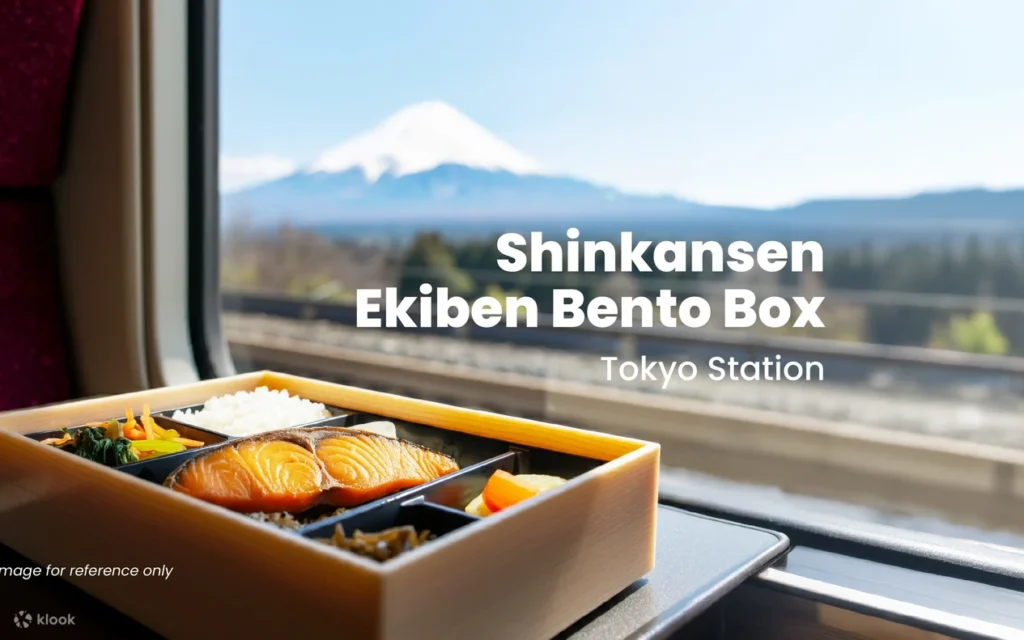
    [ Station Food Bento Box in Tokyo]
    Don’t just guess. Let a local expert show you the “hidden gems” of the food halls so you can pick the perfect Ekiben for your next Shinkansen ride.


    Ready to Start Your Journey?

    The Shinkansen is the beating heart of Japan. It’s where business, technology, and ancient food traditions meet at 320 km/h. Don’t just take a train; take a culinary tour of Japan.

    [ Shinkansen Point-to-Point Tickets]

    Master the nuance of Japanese travel: Respect the air, enjoy the craftsmanship, and never miss your train. Book your tickets today!

  • Nemawashi: Why Japan’s Real Decisions are Made Before the Meeting

    Nemawashi: Why Japan’s Real Decisions are Made Before the Meeting

    You’ve prepared the perfect slide deck. Your data is irrefutable. Your logic is sound. But when you finish your presentation in a Japanese boardroom, instead of a “Go,” you get a polite “We will consider it.”

    What went wrong? In Japan, the meeting is often just a ceremony. If you are starting the debate inside the conference room, you’ve already arrived too late.

    To succeed, you need to master Nemawashi (根回し)—the art of preparing the soil before planting a tree. As someone who has managed complex interests in both the manufacturing sector and university administration, I can tell you: Nemawashi is what separates the high-performers from those who stay stuck in “consideration.”

    The “Hidden” Purpose of a Japanese Meeting

    In many Western cultures, a meeting is a “battleground of ideas.” You bring different perspectives, debate them, and reach a conclusion.

    In Japan, a meeting is a “Ceremony of Consensus.” The goal is to ensure that everyone is already on the same page before the clock starts ticking. High-performers in Japan don’t use meetings to discuss; they use them to formally approve a path that has already been cleared. This ensures that the moment the meeting ends, the team can move straight to execution without any lingering friction.

    Inside Story: From the Factory Floor to the Dean’s Office

    In my experience in the manufacturing industry, I saw that the most successful project managers never “surprised” anyone. If a new piece of machinery needed to be installed, the manager would visit the shop floor supervisor, the safety officer, and the finance lead individually—long before the official proposal.

    They would ask: “What are your concerns? How can I adjust this to make your job easier?” By the time the formal meeting arrived, every objection had been neutralized. The meeting lasted ten minutes, and the installation started that afternoon. Later, in the university setting, I saw the same logic. Dealing with conservative departments requires a “soft touch” approach—solving problems in hallways and over quiet lunches so the official committee meeting is merely a formal “Yes.”

    The Logic of Efficiency (The Nemawashi ROI)

    To a Western observer, talking to five people individually before a meeting seems like a waste of time. But consider the alternative:

    • Without Nemawashi: A 2-hour meeting filled with “sudden” objections, followed by three follow-up meetings to address those objections.
    • With Nemawashi: 5-minute individual chats + a 15-minute formal meeting = Instant action.

    Nemawashi is the ultimate “time-saver” for the smart professional.

    Editor’s Note: To master Nemawashi, you need to understand the social hierarchy and communication styles of your partners. Sometimes, the best “pre-negotiation” happens over a casual activity.

    [ Pocket Wi-Fi]
    Staying connected and mobile is essential when you need to navigate between different offices and key stakeholders for your pre-meeting rounds.

    How to Conduct Nemawashi Like a Local

    If you want to move from “discussion” to “action,” follow these three steps:

    1. Identify the “Key Person”: It’s not always the person with the highest title. It’s the person whose opinion everyone else waits for.
    2. The “Consultation” Approach: Never say, “I want you to approve this.” Instead, say, “I am seeking your expertise on this draft. What do you think?” This makes them a co-creator of the idea rather than an obstacle to it.
    3. Solve the Conflict Privately: If someone disagrees, it is much easier for them to change their mind in a private 1-on-1 setting than in front of a group where “losing face” is a risk.

    Master the Art of the “Soft Touch”

    Building consensus is an art form. It requires patience, empathy, and a deep understanding of Japanese hospitality. One of the best ways to learn how Japanese people build rapport and agreement is to observe their hospitality firsthand.

    [Private Dining]

    Don’t wait for the meeting to start your business. Learn the nuances of Japanese consensus-building by experiencing the culture of detail and care that defines the nation. Book an authentic experience today and start “preparing the soil” for your success.

  • The “Nomikai” Strategy: Why Japan’s Real Business Happens After 6 PM

    The “Nomikai” Strategy: Why Japan’s Real Business Happens After 6 PM

    In the West, business is often transactional—you sign a contract based on the data. In Japan, the contract is emotional. It starts with Shinrai (信頼)—deep, mutual trust.

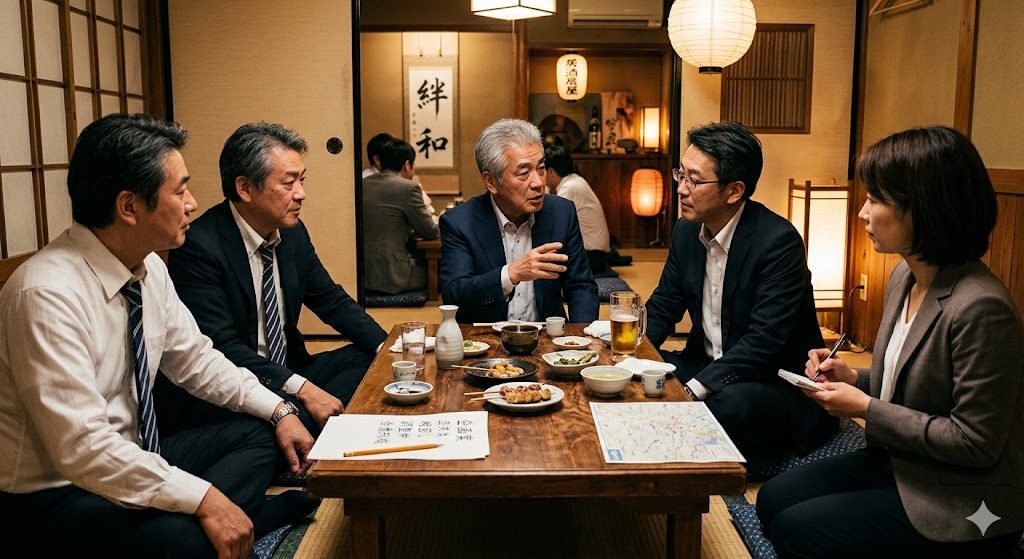
    As a professional who has navigated both the manufacturing floor and the administrative offices of a Japanese university, I’ve learned that the secret to unlocking this trust isn’t found in a PowerPoint deck. It’s found at the bottom of a beer glass. Here is how you can master the “Nominication” (Drinking + Communication) to skyrocket your success in Japan.

    The Rituals of the Table: It’s All in the Details

    When you are at a dinner with a Japanese “Bucho” (Department Manager), they aren’t just looking at your proposal; they are observing your character. Small gestures signal that you are a person who pays attention to detail—a trait highly valued in Japanese business.

    1. The “Label Up” Rule

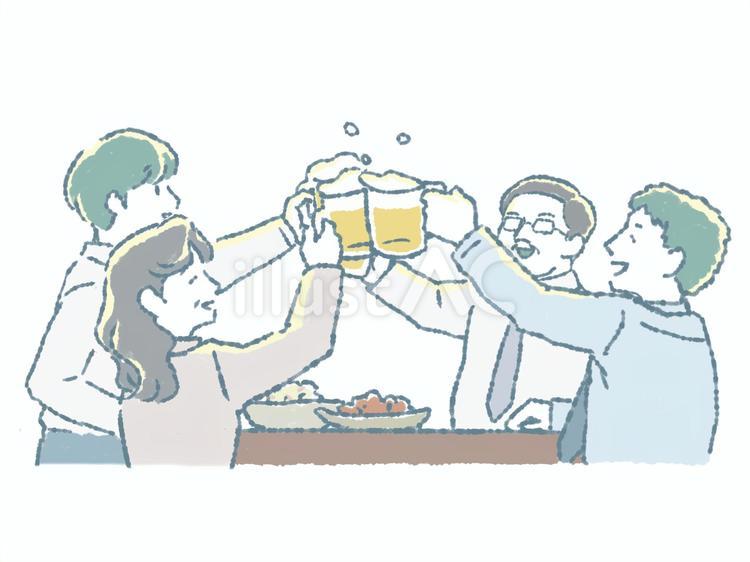
    When pouring bottled beer for your client, always hold the bottle so the label faces upward. It sounds minor, but it’s a sign of respect, showing that you are presenting the brand and the drink properly to your guest.

    2. The Fresh Foam Sacrifice

    When draft beers are served, they often arrive one by one. If there is a delay and the foam on the first glass starts to fade, always give the freshest, foamiest glass to your client. It shows you are prioritizing their experience over your own thirst.

    The Most Important Step Happens the Next Morning

    In the West, a “thank you” email a few days later is polite. In Japan, the “Next-Day Follow-up” is a mandatory ritual.

    • The 9:00 AM Rule: Send an email or make a quick call the very next morning.
    • The Icebreaker: The next time you meet in person, start with: “Thank you for the wonderful dinner the other day.” This small acknowledgment acts as a powerful icebreaker, signaling that the bond formed at the bar has successfully transferred to the office.

    Pro-Tip from the Field: To truly master these nuances before your big meeting, consider a guided cultural experience where you can practice these social “katas” (forms) in a low-pressure environment.

    [KLOOK – Japan Rail Pass or Pocket Wi-Fi]
    To reach these local business hubs in Osaka, Nagoya, or Tokyo, staying connected and mobile is your first step to success.

    The “Hangover Paradox”: Efficiency vs. Sincerity

    Here is a piece of “inside baseball” from the Japanese workplace that often shocks foreigners: What to do if you have a massive hangover.

    In a Western office, the logical move is to call in sick, rest, and work twice as hard the next day. Do not do this in Japan.

    The Japanese mindset values “Gaman” (endurance) and “Sincerity.” If you are suffering from a legendary hangover after a business dinner:

    1. Show up on time: Even if you look like a ghost, be at your desk at 9:00 AM.
    2. The “Early Exit” Strategy: It is far better to show your face, prove you are “present,” and then ask to leave early because you “feel unwell,” than to arrive late in the afternoon.

    Showing up while suffering proves to your boss and colleagues that you take your responsibilities seriously, regardless of the physical cost. It’s not about efficiency; it’s about showing you are part of the team.

    How to Get to the Room Where it Happens

    To build these relationships, you first need to be there. Whether it’s traveling to a factory in Nagoya or a headquarters in Tokyo, the physical act of showing up is your greatest asset.

    [KLOOK – JR Pass or Shinkansen Tickets]


    Conclusion: Trust is a Long Game

    Building trust in Japan isn’t about one perfect pitch; it’s about a series of small, consistent actions that prove you understand the “Nuance.” From the way you pour a beer to the way you show up the next morning, every detail builds the bridge of Shinrai.

    Ready to take your business relationships to the next level? Start by exploring the authentic flavors and dining customs that define Japanese business culture.

    [Book a Premium Kaiseki or Private Dining Experience Here]
    The right atmosphere is the first step to a “Yes.” Secure a spot at one of Japan’s top business-friendly restaurants today.

  • Ryokan Etiquette Guide: The Secret Reason You Should Never Fold Your Futon

    Ryokan Etiquette Guide: The Secret Reason You Should Never Fold Your Futon

    Introduction: What Makes a Ryokan Unique?

    Staying at a Ryokan (traditional Japanese inn) is one of the most immersive cultural experiences you can have in Japan. Unlike a standard hotel, a Ryokan is a sanctuary where time slows down, defined by the scent of tatami mats and the seasonal “Omotenashi” (hospitality).

    However, many international travelers find the unwritten rules of these traditional rooms a bit mysterious. To help you feel like a welcome guest rather than a confused tourist, here is our insider guide to Ryokan etiquette.


    1. The Entrance: Shoes, Steps, and Suitcases

    The moment you open your room door, you’ve reached a spiritual boundary. In Japan, the floor level often changes to signal where the “outside” ends and the “inside” begins.

    The Shoe Rule

    Always remove your shoes at the lower entrance area (genkan). Step up onto the raised floor in your socks or bare feet. Never wear your outside shoes or the provided toilet slippers onto the tatami mats.

    The Suitcase Etiquette on Tatami

    This is a common mistake that staff often notice. Tatami mats are made of delicate woven straw.

    • Don’t Roll: Avoid rolling your suitcase across the tatami. The wheels carry dirt from the street and can easily scratch the mats.
    • The Pro Move: Lift your suitcase and carry it to the designated wooden area or the luggage rack. Keeping the tatami clean is a sign of a high-level guest.

    2. The Futon Service: Why Staff Enter Your Room

    One of the biggest culture shocks for visitors is the Futon Service. Unlike Western hotels where the bed is fixed, a Ryokan room is “multipurpose.” The same space is used for drinking tea during the day and sleeping at night.

    Is it an Invasion of Privacy?

    No, it is a core part of the service. While you are out for dinner, staff will discreetly enter your room to move the table and lay out your bedding.

    • The Knock: If you happen to be in the room, staff will always knock. Do not ignore the knock. If you don’t respond, they may assume you are out and enter the room. If you need a moment, simply ask them to return later.
    • No Tipping: You might feel the urge to tip the person laying the futon, but in Japan, tipping is not required. High-quality service is included in your room rate.

    3. The Morning Taboo: Why You Shouldn’t Fold Your Futon

    In many cultures, “making your bed” is a sign of good manners. However, in a Japanese Ryokan, you should leave the futon exactly as it is.

    The Practical Reason

    Staff members actually prefer a “messy” bed. If you fold the futon too neatly, the staff must unfold it all over again to:

    1. Check for forgotten items (phones, watches, or jewelry).
    2. Verify which futons were used and need cleaning.
    3. Speed up the turnover process.

    What you should do instead:

    • Check for valuables: Make sure nothing is lost in the sheets.
    • Dispose of trash: Place your rubbish in the provided bins.
    • Leave the rest to the pros: Leaving the futon open is actually the most helpful thing you can do for the staff.

    Conclusion: Embracing the Ryokan Nuance

    The relationship between a guest and a Ryokan is based on a silent dialogue of respect. By lifting your suitcase and leaving your bedding to the experts, you are participating in a tradition of hospitality that has lasted for centuries.

    Ready to experience this unique rhythm? It’s a memory that will stay with you long after the trip ends.


    Book Your Traditional Ryokan Stay

    Finding the perfect Ryokan can be the highlight of your trip. Whether you are looking for a private hot spring in Hakone or a historic inn in Kyoto, KLOOK offers a curated selection of the best traditional stays in Japan.


    Related Reading for Your Trip


    *Note: This post contains affiliate links. If you make a purchase through them, I may earn a small commission at no extra cost to you. This helps me maintain the site and continue providing “inside perspective” on Japanese culture. Thank you for your support!*

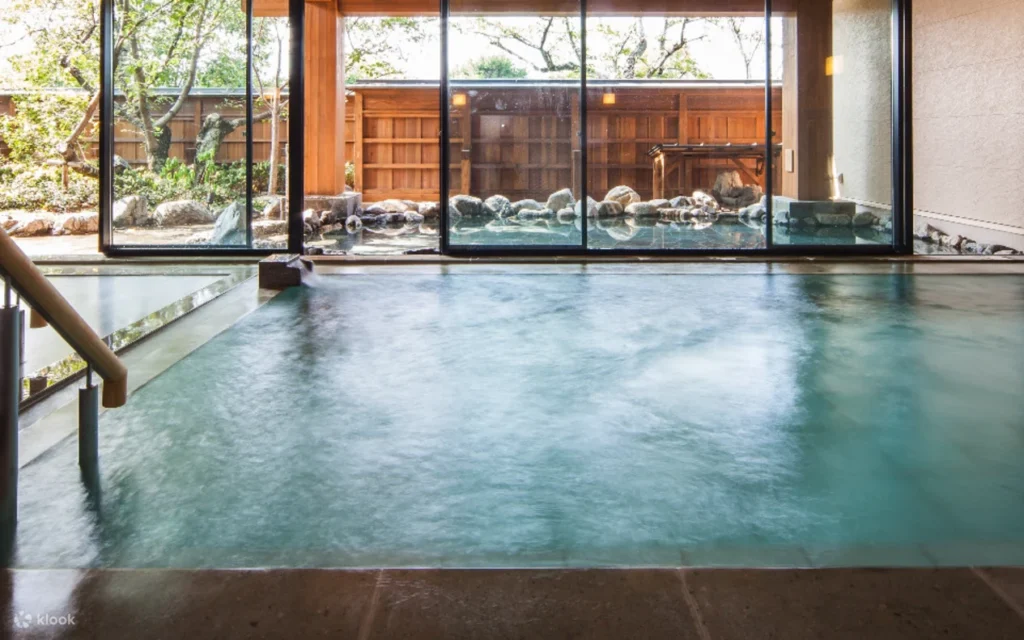
  • Onsen Etiquette: How to Enjoy a Japanese Hot Spring Like a Local

    Onsen Etiquette: How to Enjoy a Japanese Hot Spring Like a Local

    Introduction: The Heart of Japanese Relaxation

    For many travelers, soaking in an Onsen (natural hot spring) is the ultimate Japanese bucket list experience. It is a place of deep relaxation, healing, and communal connection.

    However, because Onsen culture is rooted in ancient traditions of purity, there are specific rules and “nuances” that can feel intimidating for first-timers. Understanding these isn’t just about following rules—it’s about showing respect for the water and the people sharing it with you.


    1. The Tattoo Question: Why the Ban Exists

    The most common question from international visitors is: “Can I enter an Onsen if I have tattoos?”

    Historically, in Japan, tattoos were associated with the Yakuza (organized crime). Because an Onsen is a public space where everyone should feel safe and “at peace,” many facilities still have a “No Tattoo” policy to ensure that regular customers are not intimidated.

    • The Reality: While modern attitudes are changing, many traditional baths still strictly enforce this.
    • The Solution: If you have small tattoos, you can often cover them with waterproof bandages. For larger pieces, we highly recommend booking a private bath (Kashikiri-furo) or staying at a Ryokan that allows tattoos.

    2. Entering the Water: The Art of “Kake-yu”

    Before you even touch the hot spring water, there is a vital ritual of preparation called Kake-yu.

    • The Ritual: Use a small bucket to pour the hot spring water over your body several times.
    • The Nuance: This serves two purposes. Physically, it prepares your heart and blood pressure for the heat. Socially, it acts as a signal to the people already in the bath: “I am cleaning myself and getting ready to join you.” It’s a silent “hello” to the communal space.

    3. Inside the Bath: Respecting the Water

    Once you are rinsed and ready, it’s time to soak. But keep your small towel handy!

    Why the Towel on the Head?

    You will notice many Japanese people balancing a folded, damp towel on top of their heads.

    • The Rule: You must never put your towel into the bathwater. It is considered unhygienic, as the towel was used to scrub your body.
    • The Fun Part: Why the head? Aside from keeping the towel dry, many locals do it because it simply feels good! It adds to the “Onsen mood” and makes the experience feel festive and authentic.

    The Washing Station Etiquette

    When you sit at the washing station to scrub your body, remember to rinse your stool and bucket with the shower before you leave. Even many Japanese people forget this, but doing so shows a high level of “Omotenashi”—consideration for the next person who will sit there.


    4. Leaving the Onsen: The “Dry First” Rule

    The etiquette doesn’t end when you step out of the water.

    Before you walk back into the changing room (Datsuijo), use your small towel to wring out as much water as possible and wipe your body down. * Why it matters: Walking into the changing area soaking wet is a safety hazard—it makes the floor slippery and increases the workload for the cleaning staff. A quick “pre-dry” with your small towel shows that you are mindful of the environment and the people around you.


    Conclusion: A Shared Sanctuary

    An Onsen is a shared sanctuary where everyone is equal. By observing these manners—from rinsing your stool to keeping your towel out of the water—you stop being a “tourist” and become a part of the peaceful atmosphere.

    Embrace the heat, the steam, and the silence. It is one of the most uniquely Japanese ways to find “Ichigo Ichie” (a once-in-a-lifetime moment) during your travels.


    Find Your Perfect Onsen Experience

    Ready to soak away your travel fatigue? Whether you are looking for a day trip to the famous hot springs of Hakone or a private “Kashikiri” bath with a view of Mount Fuji, KLOOK makes it easy to book the best Onsen experiences in Japan.


    Related Reading for Your Trip


    *Note: This post contains affiliate links. If you make a purchase through them, I may earn a small commission at no extra cost to you. This helps me maintain the site and continue providing “inside perspective” on Japanese culture. Thank you for your support!*

  • Shrines vs. Temples: How to Cross the Boundary with Respect

    Shrines vs. Temples: How to Cross the Boundary with Respect

    Introduction

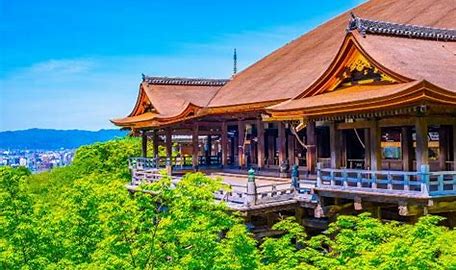
    When exploring the historic streets of Kyoto or the hidden corners of Tokyo, you will inevitably encounter beautiful sacred spaces. To the untrained eye, they might look similar, but they belong to two distinct spiritual traditions: Shrines (Shintoism) and Temples (Buddhism).

    Understanding the nuance of how to enter and pray at these sites is the ultimate way to show respect. It signals that you aren’t just a tourist, but a mindful visitor who understands the spirit of the land.


    How to Tell Them Apart: The Gateway

    Before you even step inside, the entrance will tell you exactly where you are:

    • Shrines (Jinja): Look for the Torii gate. These are the iconic, often vermilion-colored gates that mark the transition from the secular world to the sacred.
    • Temples (Tera): Look for the Sanmon (Mountain Gate). These are often larger, wooden structures, sometimes housing fierce-looking guardian statues on either side.

    Entering the Sacred Space: The Hidden Rules

    The most respectful travelers know that the act of “entering” starts before you even walk through the gate.

    At a Shrine:

    Avoid walking directly through the center of the Torii. The middle of the path is reserved for the deities. Instead, walk along the sides. It is also a beautiful gesture to stop, face the shrine, and give a slight bow before passing through the gate.

    At a Temple:

    When crossing the Sanmon, it is customary to perform a seated bow or join your hands in prayer (Gassho) for a moment. Most importantly: Do not step on the Shikii (threshold). This is the raised wooden beam at the base of the gate. Be sure to step over it, not on it.


    The Nuance of Prayer: Sound vs. Silence

    The way you communicate with the spirits is fundamentally different at each location.

    How to Pray at a Shrine (The “2-2-1” Rule)

    1. Gently toss your coin into the offering box.
    2. Bow deeply twice.
    3. Clap your hands twice. (The sound is meant to wake or call the deity).
    4. Keep your hands joined after the second clap to offer your prayer.
    5. Once finished, lower your hands and bow deeply once more.

    How to Pray at a Temple (The Way of Silence)

    1. Gently toss your coin into the offering box.
    2. Join your hands silently (Gassho) — do not clap.
    3. Offer your prayer in silence while your hands are joined.
    4. Give a slight bow when you are finished.

    Conclusion

    While many Japanese people follow these customs with varying degrees of strictness, observing these details—like avoiding the center of the Torii or stepping over the temple threshold—sets you apart. It shows that you value the “nuance” of Japanese spirituality.

    By approaching these sacred spaces with the correct form, you aren’t just taking a photo; you are participating in a tradition that has lasted for over a millennium.


    Deepen Your Spiritual Journey

    To truly understand the history and philosophy behind these rituals, nothing beats a guided tour with a local expert who can explain the stories hidden within the architecture. Through KLOOK, you can book cultural walking tours in Kyoto, Nara, and Kamakura that will help you master these nuances in person.


    Related Reading for Your Trip

    *Note: This post contains affiliate links. If you make a purchase through them, I may earn a small commission at no extra cost to you. This helps me maintain the site and continue providing “inside perspective” on Japanese culture. Thank you for your support!*

  • The Nuance of “Oshibori”: More Than Just a Wet Towel

    The Nuance of “Oshibori”: More Than Just a Wet Towel

    Introduction

    When you sit down at a restaurant in Japan, one of the first things you’ll receive isn’t the menu—it’s a rolled, damp towel called an Oshibori.

    While it might look like a simple tool to clean your hands, the Oshibori is actually a masterpiece of Japanese hospitality (Omotenashi) in miniature. It reflects a deep-rooted culture of cleanliness and consideration that begins the moment you enter a shop.


    A Seasonal Welcome

    The Oshibori is designed to make your transition from the outside world to the dining table as comfortable as possible. Depending on the season, the staff will adjust its temperature to suit your needs:

    • In Winter: You will be handed a steaming hot towel to melt away the chill from your fingers.
    • In Summer: You will receive a chilled, refreshing towel to provide instant relief from Japan’s sweltering humidity.

    This small but thoughtful touch is the essence of Omotenashi—anticipating a guest’s needs before they even ask.


    The Social “Don’t”: Avoid the Face Wipe

    On a scorching summer day, the cold sensation of an Oshibori feels heavenly. You might be tempted to press it against your face or neck to cool down. However, be careful with this move.

    In Japanese social etiquette, using an Oshibori to wipe your face is often seen as a bit tacky. In fact, men who do this are frequently labeled as “Ikete-nai Ojisan” (an uncool or “out-of-touch” middle-aged man). To maintain a polished and respectful image, it is best to stick to wiping only your hands.


    The “Smart” Way to Finish (Pro Tip)

    If you want to go beyond being a “good guest” and become a “truly considerate” one, here is a small gesture that restaurant staff deeply appreciate.

    Before you leave the table, you can use your Oshibori to lightly wipe any small spills or crumbs from your spot.

    Important Note: This is absolutely not a rule or a formal requirement. No one will think poorly of you if you don’t do it. Think of it more as a “bonus” gesture of gratitude toward the staff. Simply being aware of this possibility shows a high level of cultural fluency.


    Conclusion

    The Oshibori is your first handshake with Japanese culture at the dinner table. It’s about more than just hygiene; it’s about a shared respect between the host and the guest. Now that you know how to handle the “air” and the towel, you are well on your way to dining like a local.

    Are you ready to experience this level of hospitality for yourself, or are there other specific types of shops you’re still curious about?


    Experience Authentic Omotenashi

    To see the true art of the Oshibori and Omotenashi in action, we recommend booking an experience where the service is as much a part of the meal as the food itself. Through ByFood, you can find traditional dining experiences that showcase the very best of Japanese hospitality.


    Related Reading for Your Trip

    *Note: This post contains affiliate links. If you make a purchase through them, I may earn a small commission at no extra cost to you. This helps me maintain the site and continue providing “inside perspective” on Japanese culture. Thank you for your support!*