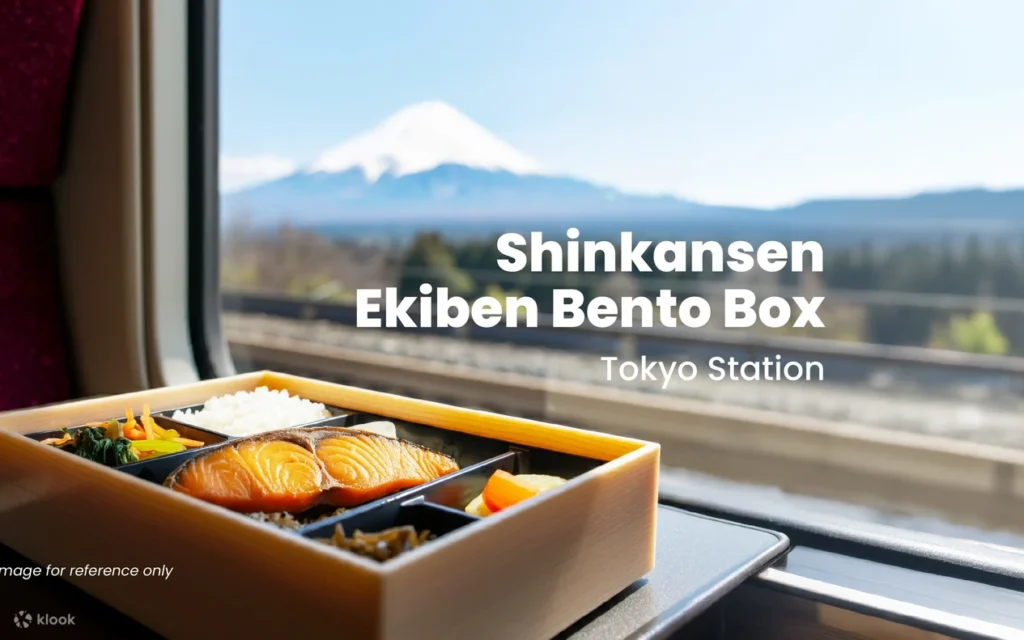
In many countries, a train journey is just a way to get from A to B. In Japan, the journey is the destination. As someone who has worked in Japan’s precision-driven manufacturing sector and university administration, I’ve always been fascinated by the “15-second miracle”—the fact that a Shinkansen (Bullet Train) can stop, unload, clean, and depart with surgical precision.
But for the traveler, this efficiency created a beautiful byproduct: The Ekiben (駅弁).
More Than a Lunch Box: It’s Engineering in a Box
When I worked in the manufacturing industry, we viewed the Ekiben as a reward for a hard day’s work. But look closer, and you see the same “Monozukuri” (craftsmanship) that goes into a Toyota engine.
An Ekiben is designed to be:
Delicious at Room Temperature: Unlike Western takeout, the rice and proteins are seasoned specifically to taste best without reheating.
Regional Storytelling: Every major station offers a box featuring local ingredients—Hokkaido salmon, Kobe beef, or Nagoya poultry.
The “Smell Protocol”: The Unwritten Rule of Shinkansen Dining
While eating an Ekiben on the Shinkansen is perfectly acceptable and will make your trip feel much richer, there is one crucial rule of etiquette: Avoid foods with strong aromas.
In Japan, we have a famous dilemma known as the “551 Horai Problem.” 551 Horai is a legendary steamed pork bun (Nikuman) sold at stations like Shin-Osaka. They are incredibly delicious, but their savory garlic aroma is so powerful it will fill the entire train carriage in seconds.
To be a respectful traveler, follow this professional tip: If it smells strong (like 551 pork buns or McDonald’s), eat it on the platform before you board. Because Japanese trains are famous for their punctuality, you can easily schedule 10 minutes to enjoy your hot buns on the platform and still board your train exactly on time.
Editor’s Note: To master this schedule and explore Japan’s regional flavors, the JR Pass is your “All-Access” ticket to the world’s best mobile dining room.
To travel like a local professional, follow this ritual:
The Depachika Scouting: Before heading to the gate, visit a department store basement (Depachika) like Daimaru or Takashimaya. It’s a “cathedral of food” where the highest-quality bento are found.
The 10-Minute Window: Aim to be on the platform 10 minutes before departure. Watch the cleaning crew finish their work with mechanical speed.
The Clean Exit: When you finish, take your trash with you. Just like a professional workplace, we leave the space better than we found it for the next passenger.
Why You Should Book a Food Guide First
The sheer volume of choices at a station like Tokyo or Osaka can be overwhelming. There are over 200 types of Ekiben! To avoid “choice paralysis” and ensure you’re getting the best seasonal ingredients, I recommend a guided food tour early in your trip.
[ Station Food Bento Box in Tokyo] Don’t just guess. Let a local expert show you the “hidden gems” of the food halls so you can pick the perfect Ekiben for your next Shinkansen ride.
Ready to Start Your Journey?
The Shinkansen is the beating heart of Japan. It’s where business, technology, and ancient food traditions meet at 320 km/h. Don’t just take a train; take a culinary tour of Japan.